
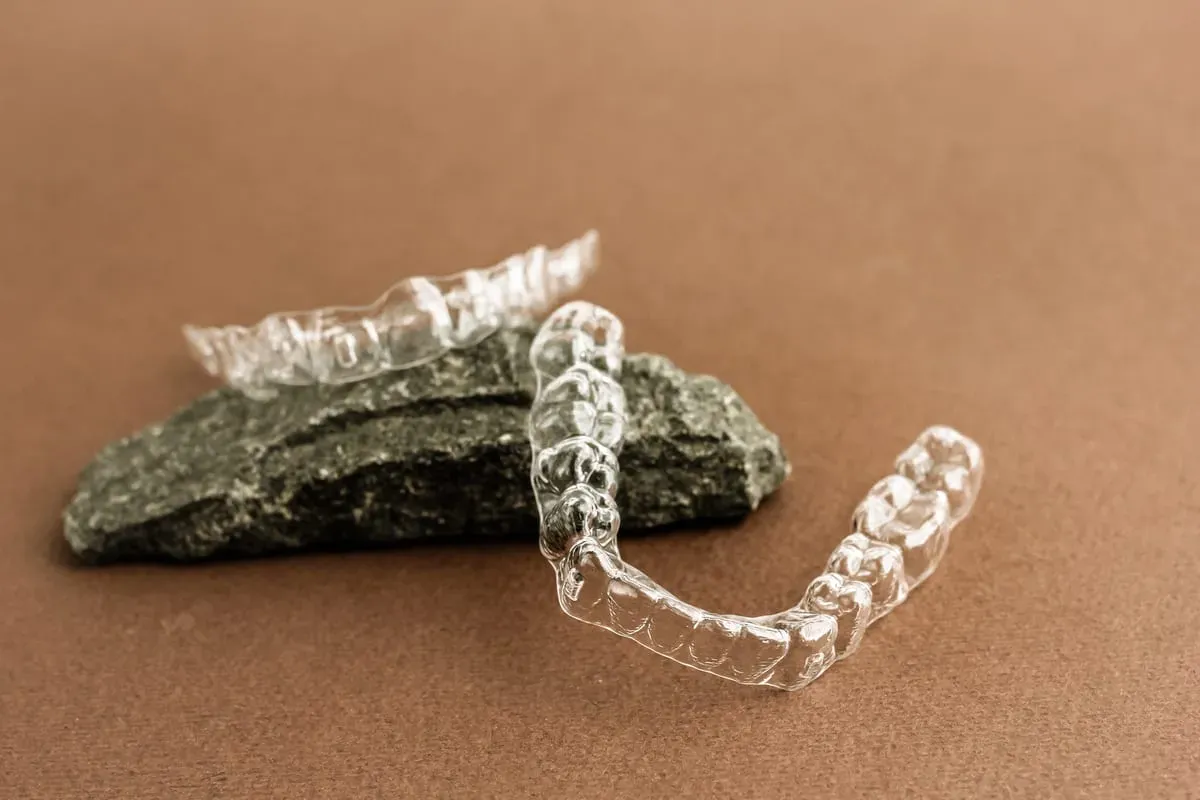
Of all the details that go into planning a wedding, your smile is the one that shows up in every single photograph. You'll look back at your engagement photos, your save-the-dates, and your wedding album for decades, and your smile is front and center in nearly all of them. It makes sense, then, that more brides than ever are asking us about straightening their teeth before the big day - and specifically, whether Invisalign can fit into an already packed engagement timeline.
The good news is that it often can. Invisalign has become one of the most requested treatments among engaged patients at Smiles of Niles, not because it's trendy, but because it solves a real problem: many brides have mild to moderate crowding, spacing, or bite issues they've lived with for years, and a wedding gives them a concrete, motivating deadline to finally address it. Unlike traditional metal braces, clear aligners can usually be worn through engagement parties, dress fittings, and the ceremony itself without anyone noticing.
This article walks through what Invisalign for brides actually involves - the realistic timeline, what results you can expect, and how to plan treatment around your wedding date so you're not rushing or left disappointed. Whether your wedding is eighteen months away or just a few months out, understanding your options now will help you make a confident, informed decision.
Why So Many Brides Choose Invisalign Over Braces
Traditional braces work well, but they aren't always practical on an engagement timeline. Metal brackets and wires are visible in every photo, can cause soreness right before big events, and typically require a longer overall commitment. For a bride who's also juggling cake tastings, venue walkthroughs, and dress fittings, that's a lot to manage alongside orthodontic treatment that's meant to be in the background, not the center of attention.
Invisalign addresses most of these concerns directly. The clear aligners are nearly invisible in photos, even up close, and they're removable, which means you can take them out for engagement dinners, the rehearsal dinner, and the reception itself without any lasting commitment to wires or brackets. For brides specifically, this flexibility matters: you don't have to explain hardware to your in-laws at Thanksgiving or worry about a bracket snagging on a veil.
There's also a comfort factor that's easy to underestimate. Aligners don't have the sharp edges or wires that can cause cheek irritation, so there's less chance of mouth soreness interfering with a toast, a first dance, or hours of smiling for a photographer. For mild to moderate alignment issues - slight crowding, small gaps, or a bite that's shifted a bit over the years - Invisalign can deliver a noticeably straighter smile without derailing wedding planning.
How Far Out Should You Start Before Your Wedding?
Timing is the single most important factor in planning Invisalign around a wedding, and it's the first thing we discuss with every bride who comes in for a consultation. Treatment length depends on how much movement your teeth need, but most mild-to-moderate cases at Smiles of Niles run anywhere from four to twelve months. Minor touch-up cases - closing a small gap or correcting slight crowding on the front teeth - can sometimes finish in as little as three to four months with an accelerated plan.
As a general rule, we recommend starting treatment at least nine to twelve months before your wedding date if you want comfortable buffer room. This allows time for your treatment plan to progress naturally, gives us room to make adjustments if your teeth respond more slowly than projected, and leaves a cushion for a short refinement phase at the end if needed. Rushing aligner therapy rarely produces better results - it just increases the odds you'll need more time than you have.
If your wedding is only a few months away, don't assume Invisalign is off the table. A consultation will tell us exactly what's realistic. In some cases, we can focus treatment on the teeth that show most in a smile - the upper front six to eight teeth - to create a visibly straighter look in a shorter window, even if full correction continues afterward. The key is getting an honest assessment early rather than guessing.
A Realistic Planning Window
- 12+ months out: Ideal timing for most cases, allowing full correction plus a buffer for refinements.
- 6 to 9 months out: Workable for mild-to-moderate cases with consistent aligner wear and regular check-ins.
- 3 to 5 months out: Best suited to minor cosmetic touch-ups on the visible front teeth.
- Under 3 months out: Invisalign may not fully finish in time, but a consultation can outline what's achievable and whether cosmetic alternatives make sense instead.
What to Expect During Treatment
Invisalign starts with a digital scan of your teeth, not messy impressions, which gives us a precise 3D model of your bite. From there, we map out a treatment plan that shows the projected movement of your teeth from start to finish, so you'll actually see a simulation of your smile's progress before you commit to anything. This planning step is one reason Invisalign has become so predictable - there's very little guesswork involved.
Once treatment begins, you'll wear a series of custom clear aligner trays, switching to a new set roughly every one to two weeks as your teeth gradually shift into position. Each tray is worn 20 to 22 hours a day, removed only for eating, drinking anything other than water, and brushing. We'll see you for brief check-ins every six to eight weeks to confirm your teeth are tracking with the plan and to hand off your next set of trays.
Most patients adjust to the feel of aligners within a few days of starting a new tray - there's typically mild pressure for a day or two as teeth settle, but nothing like the soreness associated with tightening braces. Because the trays are custom-fitted to your scan, they also don't irritate the inside of your cheeks or lips the way wires sometimes can, which matters if you're also wearing lipstick for engagement photos or trying on dresses.
Pairing Invisalign With Teeth Whitening
A lot of brides ask whether they can straighten and whiten their teeth at the same time, and the answer is generally yes - with the right sequencing. Since Invisalign trays fit snugly over your teeth, they can actually double as custom whitening trays near the end of treatment, which is a convenient bonus for anyone already managing a long wedding to-do list.
The usual approach is to complete the bulk of alignment first, then introduce whitening once your teeth are close to their final position. Whitening earlier in treatment can be less effective because your teeth are still shifting, and results aren't always even across teeth that are moving at different rates. Waiting until the final few weeks of aligner wear means your smile is both straighter and brighter by the time photos start.
We typically recommend finishing any professional whitening about one to two weeks before the wedding, since teeth can be slightly more sensitive to certain foods and drinks (red wine, coffee, berries) for a short window afterward. Planning this into your overall timeline - alongside dress fittings and hair trials - helps make sure your smile peaks exactly when it needs to.
Wearing Aligners Through Engagement Events
One of the practical advantages of Invisalign is that it fits around your calendar instead of the other way around. For the sake of your results, though, it's worth being thoughtful about how you manage wear time during a season full of parties, showers, and tastings. Aligners need 20 to 22 hours of daily wear to stay on schedule, so treating them as removable for "special occasions only" can slow your progress and push your finish date later.
A simple habit that works well for most brides is to put the tray back in immediately after eating or drinking, rather than carrying it in a bag or pocket "for later." At longer events like engagement parties or bridal showers, bringing the travel case and a small toothbrush makes it easy to pop trays back in discreetly after a meal. Many brides also find it helpful to schedule dress fittings and professional photos for times when trays have been in consistently, since teeth and gums can look their best mid-cycle rather than right after a tray change.
On the wedding day itself, most brides who have finished treatment either wear a clear retainer that's barely noticeable or have moved into the maintenance phase, where aligners aren't needed for the ceremony at all. If your timeline runs tight and you're still finishing active treatment close to the date, we'll talk through exactly how to handle wear during the ceremony and reception so your results stay on track without disrupting your day.
Keeping Your Results After "I Do"
Finishing active Invisalign treatment isn't the end of the process - it's the start of keeping your results in place. Teeth have a natural tendency to drift back toward their original position, especially in the months right after treatment, which is why a retainer is a non-negotiable part of any Invisalign plan. We'll fit you for a custom retainer once your treatment is complete and walk you through exactly how often to wear it.
Most patients wear their retainer full-time for a few months, then shift to nighttime-only wear long term. Skipping this step is the most common reason people see their teeth shift back after investing time and effort into straightening them, so it's worth building the habit early - ideally before the excitement of the wedding and honeymoon creates distractions.
Beyond retainers, keeping up with regular cleanings and checkups protects both your new smile and your overall oral health. Many newlyweds find that once they've invested in a straighter smile for their wedding, they're more motivated to maintain it long after the honeymoon photos are printed and framed.
Key Takeaways
- Start planning 9 to 12 months before your wedding for the most comfortable treatment timeline.
- Invisalign's removability and near-invisible appearance make it practical for engagement events and photos.
- Whitening pairs well with Invisalign when sequenced near the end of active treatment.
- Consistent 20 to 22-hour daily wear is essential to staying on track during a busy event season.
- A retainer after treatment protects your results well beyond the wedding day.
Frequently Asked Questions
Will anyone notice I'm wearing Invisalign in my wedding photos?
In most cases, no. The aligners are made of clear, thin plastic that sits closely against your teeth, and they're virtually undetectable in photos taken a few feet away, including professional wedding photography. Most brides who finish treatment before the ceremony wear only a clear retainer by that point, which is even less noticeable.
Can I still eat and drink normally at engagement parties and the reception?
Yes. Aligners are removable, so you take them out to eat or drink anything besides water, then brush your teeth before putting them back in. This makes it easy to enjoy a tasting menu, a glass of champagne, or the wedding cake without any restrictions on what you can eat.
What if my wedding is less than three months away?
A consultation will give you a clear, honest answer about what's realistic. In tight timelines, we often focus on the teeth most visible when you smile to create a noticeable improvement, with full correction continuing after the wedding if needed. Minor cosmetic options may also be worth discussing alongside Invisalign.
Does Invisalign hurt or cause speech issues before the big day?
Most patients feel mild pressure for a day or two after switching to a new tray, but it's far less uncomfortable than tightening braces. Some people notice a slight lisp for the first few days of wearing aligners, which typically resolves quickly as your tongue adjusts. Starting treatment well ahead of the wedding gives you plenty of time to adjust before any key events.
How do I know if Invisalign is the right choice compared to veneers or other cosmetic options?
It depends on what's causing your concern. If your teeth are misaligned, crowded, or unevenly spaced, Invisalign addresses the actual position of your teeth rather than just covering it up. If your teeth are already well-aligned but you're concerned about color, chips, or shape, other cosmetic treatments might be a better fit. A consultation will help clarify which approach matches your timeline and goals.
Starting the Conversation Early Makes All the Difference
A wedding is one of the most photographed days of your life, and it's natural to want your smile to reflect how you feel on that day. Invisalign gives engaged patients a practical, discreet way to address crowding, spacing, or bite concerns without the visibility and commitment of traditional braces, and when it's planned early enough, it fits comfortably alongside everything else on an engagement checklist.
The biggest factor in success isn't the treatment itself - it's timing. Whether your wedding is over a year away or coming up faster than you'd like, the only way to know what's realistic for your smile is to start the conversation. At Smiles of Niles, we work backward from your wedding date to build a plan that fits your schedule, so you can focus on the parts of wedding planning that are actually fun.